
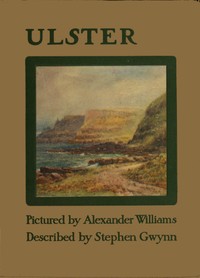
Ulster by Stephen Lucius Gwynn
Stephen Lucius Gwynn's 'Ulster' is a book from another time, written in 1911. It's part history, part travelogue, and part political commentary, all filtered through the eyes of an Irish author and politician who was deeply involved in the events of his day.
The Story
There isn't a traditional plot with characters. Instead, Gwynn takes the reader on a journey across the province of Ulster. He explores its towns, its industries, and most importantly, its people. He looks at the history that led to the intense political and religious divides of the early 20th century. The book was written during the heated debates over Irish Home Rule, a proposal that would have given Ireland self-government within the United Kingdom. Ulster, with its large Protestant population, was fiercely opposed. Gwynn explains why, digging into centuries of settlement, economics, and deep-seated fear. He acts as a guide, explaining the landscape of belief and loyalty that made Ulster such a flashpoint.
Why You Should Read It
Reading this is like getting a history lesson from a smart, slightly opinionated uncle who was actually there. You don't get dry facts. You get feeling. You sense the tension in the air, the pride of the shipbuilders in Belfast, the stubbornness of the farming communities. Gwynn has a clear point of view—he was a supporter of Home Rule—but he tries hard to explain the other side. His writing brings the past alive in a way modern history books sometimes can't. You're not just learning what happened; you're getting a sense of the mood, the arguments at the pub, the worries about the future. It makes a complex historical moment feel human.
Final Verdict
This book is perfect for history buffs who want to go beyond textbooks and hear a direct voice from the past. It's also great for anyone with Irish heritage trying to understand the roots of the North's complex identity. Be warned: it's an old book, so the language and some perspectives are of its time. But that's also its strength. It doesn't have the benefit of hindsight. It's a raw, immediate account from a man watching his homeland teeter on the edge of enormous change. If you're looking for a primary source that reads like a thoughtful conversation, give 'Ulster' a try.
This publication is available for unrestricted use. Preserving history for future generations.
Donald Hernandez
2 years agoHaving followed this topic for years, I can say that the objective evaluation of the pros and cons is very refreshing. Finally, a source that prioritizes accuracy over hype.
Paul Anderson
1 year agoThe digital index is well-organized, making research much faster.
Ava Johnson
1 year agoComprehensive and well-researched.
Deborah Rodriguez
1 year agoGreat reference material for my coursework.







Thomas Garcia
10 months agoAfter a thorough walkthrough of the table of contents, the narrative arc keeps the reader engaged while delivering factual content. It’s a comprehensive resource that doesn't feel bloated.