
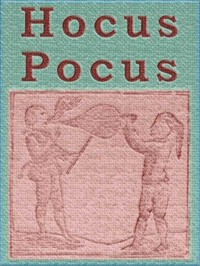
Hocus Pocus; or The Whole Art of Legerdemain, in Perfection. by Henry Dean
Forget everything you know about modern magic specials. Hocus Pocus isn't a story with characters; it's a time capsule and a how-to guide. Originally published in 1722, this book by Henry Dean presents itself as the complete course for anyone wanting to master "legerdemain"—a fancy old word for sleight of hand and cunning tricks.
The Story
There's no traditional plot. Instead, the book is structured as a series of lessons and revelations. Dean writes as a seasoned practitioner revealing his trade's secrets to an eager apprentice. He walks you through classic tricks step-by-step: making coins vanish and reappear behind someone's ear, the intricate moves of the cup and balls game, and even alarming stunts like apparently swallowing a knife. He explains the necessary "patter" (the talk that distracts the audience) and details how to construct simple, deceptive props from everyday items. The "narrative" is the journey from being an ordinary person to becoming a capable trickster, capable of amazing and baffling a crowd.
Why You Should Read It
This book is a joy because of its blunt honesty. Dean isn't trying to protect magic's mysteries for a professional guild; he's selling the knowledge. Reading it, you get a real sense of the street-level entertainment of the era. The tricks rely on psychology, timing, and manual skill, not technology. It’s incredibly grounding to see the roots of modern illusion laid out so plainly. You also pick up on the author's personality—a mix of showmanship and a slight cheekiness at fooling the masses. It’s less about wonder and more about cleverness.
Final Verdict
This one's perfect for history buffs, aspiring magicians curious about their craft's origins, or anyone with a curious mind who enjoys seeing the gears behind the clockface. It's not a page-turning thriller, but a slow, fascinating study. Think of it like finding an ancestor's diary that just happens to be full of secret instructions. The language is old-fashioned but clear, and the ideas are timeless. If you've ever watched a magic trick and thought, 'Okay, but how did they *really* do it?'—Henry Dean from 1722 is ready to tell you.
The copyright for this book has expired, making it public property. Share knowledge freely with the world.
Karen Taylor
3 months agoThe layout of the digital version made it easy to start immediately, it manages to maintain a consistent flow even when discussing difficult topics. A rare gem in a sea of mediocre content.
Barbara Hernandez
8 months agoI took detailed notes while reading through the chapters and the critical analysis of current industry standards is very timely. This has become my go-to guide for this specific topic.
Sarah Moore
2 years agoIf you're tired of surface-level information, the transition between theoretical knowledge and practical application is seamless. It definitely lives up to the reputation of the publisher.
Thomas Jackson
1 year agoFinally found a version that is easy on the eyes.







Ashley Williams
3 months agoThis was exactly the kind of deep dive I was searching for, the author’s unique perspective adds a fresh layer to the discussion. A solid investment for anyone's personal development.