
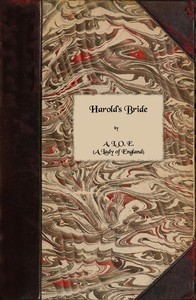
Harold's Bride: A Tale by A. L. O. E.
Let me set the scene for you. We're in the world of 19th-century England, where social standing and duty often trump personal feeling. The story begins with Harold, a wealthy and respected man, making a practical decision. He marries Ellen, a kind but poor young woman, offering her security and a home. It's not a grand love match to start with, but Ellen hopes for companionship and warmth.
The Story
The plot follows their life after the wedding. Ellen arrives at Harold's beautiful but cold estate, hoping to be a true partner. Instead, she finds a husband who is impeccably polite, financially generous, but emotionally frozen. He provides for her every material need but builds an invisible wall between them. He calls her "Mrs. Harold" instead of her name, keeps separate rooms, and shares nothing of his thoughts or past. The story becomes Ellen's journey to understand this man she's bound to. What secret sorrow or rigid principle keeps him so isolated? Is it something in his past, or is it simply his nature? The tension builds not through loud fights, but through strained dinners, lonely walks in well-kept gardens, and the aching gap between what their life looks like and what it feels like.
Why You Should Read It
I was surprised by how modern this old story felt. A.L.O.E. writes with real insight into human loneliness. Ellen isn't a passive victim; she's observant, patient, and quietly strong. Her struggle isn't for dramatic freedom, but for simple, genuine connection. The book is a careful study of how emotional neglect can exist in a picture-perfect setting. It made me think about the ways we can be present yet absent in our own relationships. The author's Christian faith is a clear part of the narrative—Ellen's patience and Harold's eventual thaw are framed through spiritual growth—but it feels woven into their characters rather than preached at the reader.
Final Verdict
This isn't a fast-paced adventure. It's a character-driven, thoughtful novel for readers who enjoy peeling back the layers of human behavior. If you like authors like Elizabeth Gaskell or even the quieter moments in Jane Austen's work, where the drama is internal and social customs box people in, you'll appreciate this. It's perfect for a rainy afternoon, for anyone who's ever wondered about the story behind a closed door, or for readers who believe that sometimes the quietest battles for understanding are the most important ones. Just be ready for a story that gets under your skin with its quiet power.
There are no legal restrictions on this material. Thank you for supporting open literature.
Elizabeth Harris
3 months agoOne of the most comprehensive guides I've read this year.
Karen Thompson
1 year agoThis was exactly the kind of deep dive I was searching for, the way it handles controversial points with balance is quite professional. A perfect balance of theory and practical advice.
Jennifer Gonzalez
3 months agoI wanted to compare this perspective with traditional views, the formatting on mobile devices is surprisingly crisp and clear. It definitely lives up to the reputation of the publisher.
Kimberly Harris
1 month agoIf you're tired of surface-level information, the argument presented in the middle section is particularly compelling. Truly a masterpiece of digital educational material.




Elizabeth Perez
7 months agoThe information is current and very relevant to today's needs.